News

Short summaries of the cyber-crime stories moving in India and globally. We link back to the original source — always.

Long-Running Ransomware Campaign Affects Turkish Homes and Small Businesses
Ransomware

Long-Running Ransomware Campaign Affects Turkish Homes and Small Businesses

A ransomware campaign spanning six years has been targeting private homes and small to medium-sized businesses (SMBs) in Turkey. While larger enterprise breaches typically receive more media attention, these smaller incidents go largely unreported. This lack of visibility allows such campaigns to persist with minimal disruption, making them a significant concern for local security. The ongoing threat demonstrates the importance of cybersecurity awareness and protective measures for all types of organizations, regardless of their size. Individuals and SMBs should remain vigilant and implement robust security protocols to safeguard against ransomware attacks. Source: [publication name].

via Dark ReadingRead source
Security Challenges in Asia's Digital Supply Chain
Data Breaches

Security Challenges in Asia's Digital Supply Chain

Asian organizations face unique security risks due to varied regulations, interconnected digital systems, and the increasing use of artificial intelligence. These factors have made the digital supply chain complex, requiring organizations to adapt and implement robust security measures. The diverse regulatory landscape across countries adds another layer of difficulty in standardizing security protocols. As businesses continue to rely on digital solutions, understanding these risks and developing strategies to mitigate them is crucial. Awareness and preparedness can help combat potential cyber threats in this evolving environment. Source: [publication name].

via Dark ReadingRead source
Microsoft and Salesforce Fix Data Leak Vulnerabilities
Data Breaches

Microsoft and Salesforce Fix Data Leak Vulnerabilities

Microsoft and Salesforce have recently addressed critical vulnerabilities in their AI products, Salesforce Agentforce and Microsoft Copilot. These flaws, known as prompt injections, could have allowed unauthorized attackers to access and leak sensitive information from the systems. By implementing these patches, both companies aim to enhance the security of their applications and protect user data from potential breaches. Users are advised to ensure their software is updated to benefit from these security improvements. Keeping software up to date is essential for safeguarding against cyber threats. Source: [publication name].

via Dark ReadingRead source
Microsoft and Google Release Critical Security Updates
Malware

Microsoft and Google Release Critical Security Updates

Microsoft has released updates that address 167 security vulnerabilities in its Windows operating systems and related software. Among these issues is a zero-day vulnerability in SharePoint Server and a weakness in Windows Defender known as 'BlueHammer.' Additionally, Google Chrome has fixed its fourth zero-day vulnerability of 2026, while Adobe Reader has issued an emergency update to resolve a flaw that could allow remote code execution. These updates highlight the importance of keeping software updated to protect against potential exploits. Users are advised to apply these updates promptly to enhance their cybersecurity. Source: CyberSathi.in.

via Krebs on SecurityRead source
SIM Hijacking: Silent Cybercrime Draining Bank Accounts
Social Engineering

SIM Hijacking: Silent Cybercrime Draining Bank Accounts

Fraudsters are exploiting SIM card hijacking to gain unauthorized access to bank accounts and drain funds silently. Attackers convince telecom providers to transfer victims' phone numbers to new SIM cards through social engineering tactics. Once in control, criminals receive OTPs meant for the account holder, bypassing two-factor authentication and gaining complete access to financial accounts. This sophisticated crime targets customers across major Indian banks. Victims often discover the theft only after substantial amounts have been transferred. Experts recommend enabling additional security layers beyond OTP-based verification and remaining vigilant about unsolicited telecom calls. Source: The Indian Express.

via GoogleNews: SIM swap fraudRead source
Will SIM-binding Truly Stop India's Fraud Problem?
Identity Theft

Will SIM-binding Truly Stop India's Fraud Problem?

India's push to implement SIM-binding technology aims to prevent unauthorized access to mobile services and reduce fraud-related crimes. The measure requires linking SIM cards more securely to user identities, potentially blocking scammers from hijacking numbers for phishing attacks and financial fraud. However, experts question whether this alone solves the broader cybercrime landscape in India. While SIM-binding may raise barriers for fraudsters, concerns remain about implementation gaps, authentication vulnerabilities, and evolving attack methods that bypass traditional protections. Security analysts suggest complementary measures including stronger password protocols, two-factor authentication, and user awareness are equally essential. The initiative represents a step forward in mobile security but requires comprehensive strategy to truly combat India's rising cyber fraud epidemic. Source: Communications Today.

via GoogleNews: SIM swap fraudRead source
Russian Hackers Exploit Router Flaws to Steal Microsoft Tokens
Data Breaches

Russian Hackers Exploit Router Flaws to Steal Microsoft Tokens

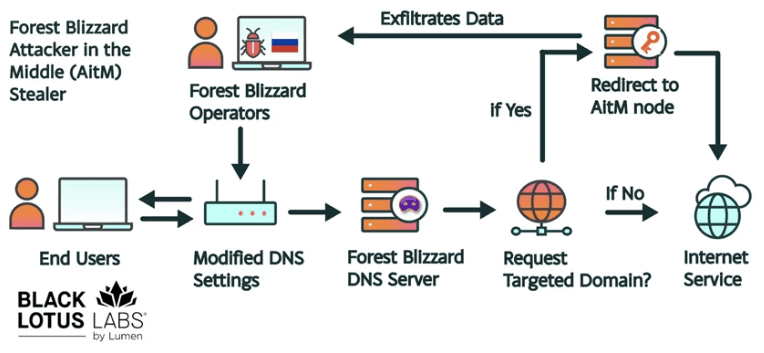
Security experts have reported that Russian military intelligence-linked hackers are exploiting vulnerabilities in older internet routers to obtain authentication tokens from Microsoft Office users. This advanced spying campaign has affected over 18,000 networks globally, allowing hackers to extract these tokens without the need for malicious software. As a result, users’ credentials can be compromised, posing a significant threat to organizational and personal data security. Awareness and proactive security measures are essential for users to protect themselves against such targeted attacks. Source: CyberSathi.in.

via Krebs on SecurityRead source
Bengaluru man loses ₹2.51 crore in fake IPO scheme via Facebook ad
Investment Fraud

Bengaluru man loses ₹2.51 crore in fake IPO scheme via Facebook ad

An 80-year-old Bengaluru resident fell victim to an investment fraud after clicking on a Facebook advertisement promising returns through a fake Initial Public Offering (IPO). The scammers convinced him to invest ₹2.51 crore, claiming high profit potential. The fraudsters used social engineering tactics and fabricated investment documents to appear legitimate. This case highlights how cybercriminals exploit elderly citizens through social media platforms and investment-related schemes. Authorities have been alerted to investigate the incident. Users are advised to verify investment opportunities through official channels and avoid clicking suspicious ads on social media platforms. Source: The Hindu.

via GoogleNews: investment scam IndiaRead source
German Authorities Identify Leader of Notorious Russian Ransomware Gangs
Ransomware

German Authorities Identify Leader of Notorious Russian Ransomware Gangs

German law enforcement has identified Daniil Maksimovich Shchukin, a 31-year-old Russian, as the mastermind behind the infamous ransomware groups GandCrab and REvil. Shchukin is reported to have orchestrated over 130 cyberattacks between 2019 and 2021, targeting various victims for extortion and computer sabotage. This revelation sheds light on the activities of Russian cybercriminals and underscores the ongoing efforts of international authorities to combat ransomware threats. The identification of Shchukin is a significant step in addressing cybercrime on a global scale, as it can lead to increased cooperation among law enforcement agencies. Source: [publication name].

via Krebs on SecurityRead source
Wiper Malware Targets Systems in Iran Amid Ongoing Conflict
Malware

Wiper Malware Targets Systems in Iran Amid Ongoing Conflict

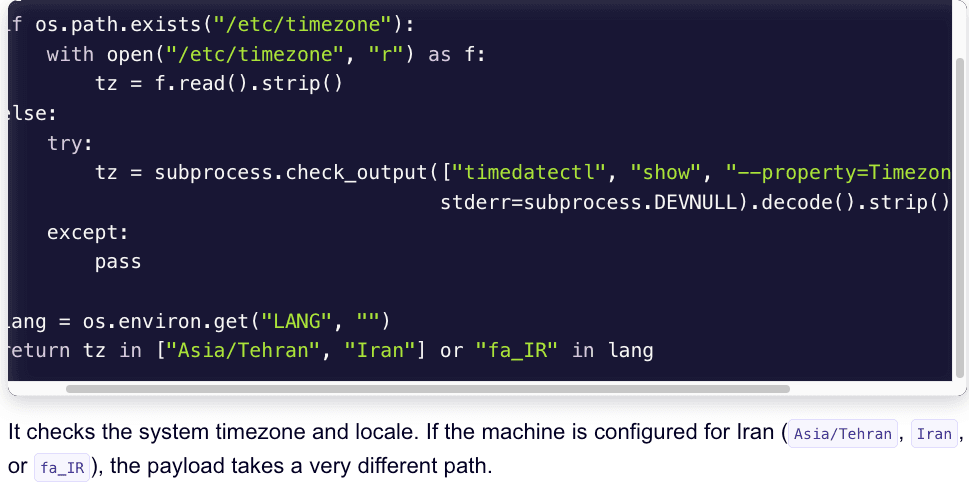
A new malware called 'CanisterWorm' has emerged, targeting systems in Iran for data destruction. This worm is spread through insecure cloud services and specifically aims at computers set to Iranian time zones or using Farsi as the default language. The group behind this attack seems to be motivated by financial gain and appears to be trying to capitalize on the current tensions in Iran. Organizations and users in affected regions are advised to enhance their security measures to protect against such threats. Regular data backups and system updates are recommended to mitigate potential damage. Source: [publication name].

via Krebs on SecurityRead source
US and Allies Disrupt Major IoT Botnets Behind DDoS Attacks
Malware

US and Allies Disrupt Major IoT Botnets Behind DDoS Attacks

The U.S. Justice Department, alongside Canadian and German authorities, has successfully dismantled the infrastructure of four significant botnets that had compromised over three million Internet of Things (IoT) devices, including routers and web cameras. The botnets, named Aisuru, Kimwolf, JackSkid, and Mossad, were responsible for a series of powerful distributed denial-of-service (DDoS) attacks that could incapacitate a wide range of targets. This operation marks a significant effort to enhance cybersecurity and mitigate the risks associated with such large-scale attacks. Internet users are urged to secure their IoT devices to prevent future compromises. Source: [publication name].

via Krebs on SecurityRead source
Iran-Backed Group Claims Cyber Attack on Medical Firm Stryker
Malware

Iran-Backed Group Claims Cyber Attack on Medical Firm Stryker

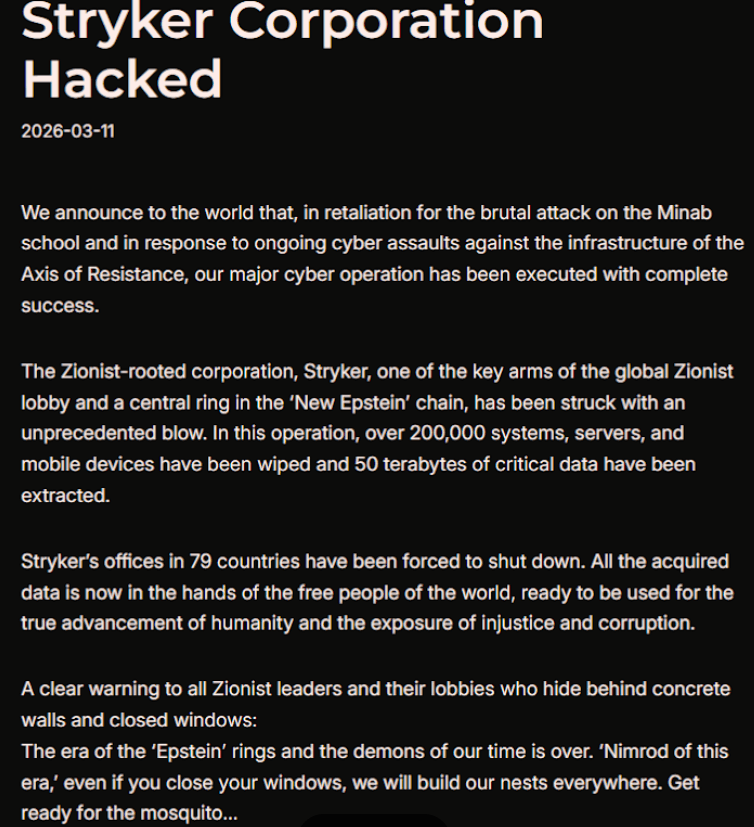
An Iranian-linked hacktivist group has announced it carried out a wiper attack on Stryker, a prominent medical technology company headquartered in Michigan. Reports indicate that Stryker’s largest facility outside the U.S., located in Ireland, has temporarily sent its workforce of over 5,000 employees home due to the incident. Additionally, an automated message at the company’s U.S. headquarters alerts that they are facing an emergency situation in the building. These developments highlight growing concerns over the vulnerability of critical infrastructure to cyberattacks. Authorities are likely to investigate the extent of the breach and ensure that measures are put in place to safeguard sensitive information. Source: [publication name].

via Krebs on SecurityRead source