News

Short summaries of the cyber-crime stories moving in India and globally. We link back to the original source — always.

AI Amplifies Existing Cybersecurity Vulnerabilities
Malware

AI Amplifies Existing Cybersecurity Vulnerabilities

Recent discussions highlight that the primary danger posed by artificial intelligence (AI) is not the introduction of new bugs but the escalation of existing vulnerabilities. As AI technologies become more widespread, they can inadvertently intensify flaws in software, leading to greater potential for exploitation. This means older vulnerabilities, which may have been previously manageable, can become significantly riskier when AI systems interact with them. This growing concern emphasizes the importance of updating security measures and addressing known vulnerabilities as AI continues to evolve and integrate into various systems. It is crucial for organizations to remain vigilant and proactive in cybersecurity practices to mitigate these risks. Source: [publication name].


via Dark ReadingRead source
Understanding Trust in Underground Credit Card Markets
Dark Web

Understanding Trust in Underground Credit Card Markets

In the realm of cybercrime, particularly credit card theft, trust is critically cultivated. Research has uncovered that underground guides instruct actors on how to assess the reliability of 'carding' shops. These assessments are based on factors such as the quality of stolen card data, the shop's reputation, and its ability to remain operational without being shut down. This method of verification is essential for criminals to minimize risks in their fraudulent activities. Understanding these dynamics sheds light on the mechanisms that sustain illicit credit card markets. Source: [publication name].

via BleepingComputerRead source
Three Vulnerabilities in Microsoft Defender Being Exploited
Malware

Three Vulnerabilities in Microsoft Defender Being Exploited

Huntress has issued a warning about three security vulnerabilities in Microsoft Defender that are currently being exploited by cybercriminals. These flaws, identified as BlueHammer, RedSun, and UnDefend, allow attackers to elevate their privileges on compromised systems. The vulnerabilities were disclosed as zero-days by a researcher named Chaotic Eclipse, meaning that they had not been patched at the time of warning, raising concerns about the potential for further exploitation. It is important for users to ensure their systems are updated and fortified against such threats to protect their data and security. Source: [publication name].

via The Hacker NewsRead source
Coast Guard's Cybersecurity Guidelines Provide Insights for CISOs
Cyber Law (India)

Coast Guard's Cybersecurity Guidelines Provide Insights for CISOs

The Maritime Transportation Security Act (MTSA) outlines new cybersecurity regulations for maritime operations, focusing on the protection of Operational Technology (OT) systems. These regulations mandate that organizations create comprehensive cybersecurity plans and undergo audits by independent third parties. Additionally, the Act emphasizes the importance of a hybrid security role that combines both IT and OT security responsibilities. Indian Chief Information Security Officers (CISOs) can draw valuable lessons from these guidelines to enhance their own cybersecurity frameworks and risk management strategies. Adopting a proactive approach in safeguarding critical infrastructure is essential for combating emerging cyber threats. Source: [publication name].

via Dark ReadingRead source
Google Blocks Over 8.3 Billion Fraudulent Ads, Updates Android Privacy Policies
Data Breaches

Google Blocks Over 8.3 Billion Fraudulent Ads, Updates Android Privacy Policies

In a significant move to enhance user privacy and combat fraud, Google reported blocking 8.3 billion ads and suspending 24.9 million accounts in 2025. The company unveiled policy updates aimed at reinforcing user protection related to contact and location permissions on Android devices. These changes will impact how third-party applications access sensitive user information, such as contact lists and geographical locations. Google's latest efforts reflect a growing commitment to safeguard users' data and security on its platforms. This initiative highlights the importance of user privacy in an increasingly digital world. Source: [publication name].

via The Hacker NewsRead source
NIST Updates CVE Processing Due to Surge in Submissions
Cyber Law (India)

NIST Updates CVE Processing Due to Surge in Submissions

The National Institute of Standards and Technology (NIST) has revised its approach to handling cybersecurity vulnerabilities. Due to a significant increase of 263% in submissions for Common Vulnerabilities and Exposures (CVEs), NIST will now only enhance those entries that meet specific criteria. While all CVEs will still be recorded in the National Vulnerability Database (NVD), only some will receive detailed enrichment. This decision comes as part of an effort to manage the growing volume of submissions and ensure that critical vulnerabilities are effectively prioritized. Such changes aim to improve overall cybersecurity measures and awareness. Source: [publication name].

via The Hacker NewsRead source
International Operation Dismantles DDoS Crime Network
Dark Web

International Operation Dismantles DDoS Crime Network

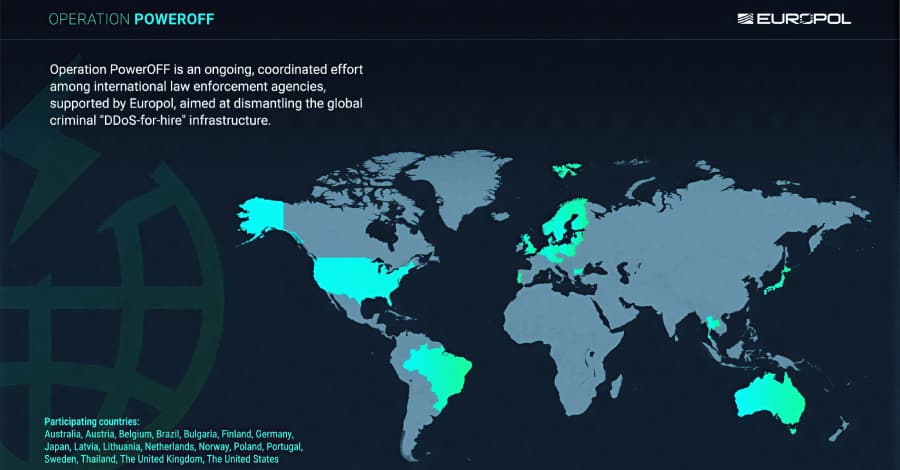
A global law enforcement operation, named Operation PowerOFF, has led to the seizure of 53 domains involved in distributed denial-of-service (DDoS) attacks and the arrest of four individuals. These operations provided DDoS-for-hire services that were utilized by over 75,000 cybercriminals. The action effectively disrupted their infrastructure and revealed approximately 3 million criminal accounts, highlighting the scale of cybercrime involved. This operation underscores the increasing international collaboration required to combat cyber threats and protect online services from such attacks.

via The Hacker NewsRead source
NIST Updates CVE Framework to Target Critical Software Vulnerabilities
Malware

NIST Updates CVE Framework to Target Critical Software Vulnerabilities

The National Institute of Standards and Technology (NIST) has revised its Common Vulnerabilities and Exposures (CVE) framework to better prioritize high-impact software vulnerabilities. This new approach aims to enhance the process of identifying and addressing critical security flaws in software. By focusing on the most significant vulnerabilities, NIST intends to streamline vulnerability remediation efforts, ensuring that resources are allocated effectively to mitigate risks. This update reflects a commitment to improving cybersecurity practices and protecting users from potential threats. The changes are expected to support software developers and organizations in enhancing their security measures. Source: [publication name].

via Dark ReadingRead source
North Korea Targets macOS Users with ClickFix Malware Attacks
Malware

North Korea Targets macOS Users with ClickFix Malware Attacks

A North Korean hacking group, known as Sapphire Sleet, is reportedly using a strategy called ClickFix to target macOS users. They issue fraudulent job offers and fake Zoom software updates as a way to deliver malware that harvests personal information and login credentials from affected devices. This campaign illustrates the ongoing threat posed by cyber attackers to steal sensitive data, highlighting the importance for users to remain vigilant against suspicious links and offers. Individuals are advised to verify the authenticity of job proposals and software updates before engaging with them. Maintaining up-to-date security practices is crucial to protect personal information from such malicious attacks. Source: CyberSathi.in.

via Dark ReadingRead source
Two-Factor Authentication Expands Beyond Desktop Use
Data Breaches

Two-Factor Authentication Expands Beyond Desktop Use

Cybercriminals are increasingly adept at bypassing security measures, particularly in environments outside traditional IT settings. To enhance security, the adoption of Two-Factor Authentication (2FA) is recommended. This method adds an additional layer of protection, making it harder for unauthorized users to gain access, even in physical locations. As threats evolve, implementing 2FA can be a critical step for individuals and businesses looking to safeguard sensitive information and mitigate risks associated with cyberattacks. This shift towards broader usage of 2FA underscores the importance of proactive security measures in combating cyber crime. Source: [publication name].

via Dark ReadingRead source
Microsoft's Windows Secure Boot Certificate Set to Expire Soon
Malware

Microsoft's Windows Secure Boot Certificate Set to Expire Soon

Microsoft has announced that the original Secure Boot certificate for Windows is nearing its expiration date. This certificate is crucial for maintaining the security of devices running Windows operating systems. As a part of a significant security maintenance initiative, users are urged to update their PCs promptly to ensure continued protection. The updates will help in sustaining the integrity of system boot processes and mitigating potential vulnerabilities. Keeping devices up to date is essential for safeguarding against cyber threats. Users should check for available updates to avoid issues arising from the expiration of the certificate.

via Dark ReadingRead source
AI-Powered Vulnerability Discovery: Enterprise Defense Strategies
Malware

AI-Powered Vulnerability Discovery: Enterprise Defense Strategies

Artificial intelligence models are now capable of discovering software vulnerabilities and generating exploits faster than traditional methods, creating significant security risks for enterprises. While AI integration into development will eventually strengthen code, the transition period presents a critical vulnerability window that attackers will exploit. Organizations face dual challenges: rapidly hardening existing software and defending systems still containing unpatched vulnerabilities. Security experts recommend enterprises strengthen incident response plans, reduce system exposure, and integrate AI-driven security tools into their defensive strategies. As threat actors leverage AI capabilities to identify zero-day vulnerabilities, companies must act urgently to modernize their cybersecurity approaches before malicious actors weaponize these powerful tools at scale. Source: Wiz Security Blog.

via RSS: Mandiant BlogRead source