Videos

Hand-picked YouTube videos on cyber-crime, each with an AI summary and chapter timestamps.

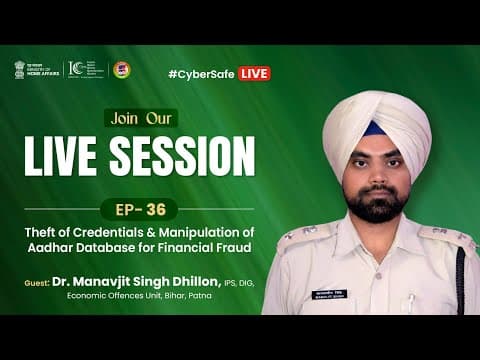
CyberSafe Live Session 36: Aadhaar Data Theft & Financial Fraud
Identity Theft

CyberSafe Live Session 36: Aadhaar Data Theft & Financial Fraud

In this episode of CyberSafe Live, experts discuss the critical issue of Aadhaar data theft and its implications for financial fraud in India. They highlight how cybercriminals exploit vulnerabilities in the Aadhaar system to gain unauthorized access to personal information. This stolen data can lead to identity theft, where individuals may find their accounts drained or loans taken out in their name without consent. The session emphasizes the importance of safeguarding one’s Aadhaar details and being vigilant about personal data sharing. Viewers are advised to regularly monitor their financial accounts for unusual activity and to utilize security features like two-factor authentication wherever possible. Additionally, the discussion touches on the role of law enforcement in combating such cybercrimes and the legal measures in place to protect victims. Understanding these risks and adopting preventive measures is crucial for keeping personal information secure in today’s digital age.

Your OTP Is Not Safe: Bank Account, Gmail, Photos Leak & Safety Tips | Amit Dubey |FO423 Raj Shamani
Phishing

Your OTP Is Not Safe: Bank Account, Gmail, Photos Leak & Safety Tips | Amit Dubey |FO423 Raj Shamani

In the video 'Your OTP Is Not Safe', Amit Dubey discusses the vulnerabilities surrounding One-Time Passwords (OTPs) and their implications for bank accounts, Gmail, and personal photos. He emphasizes that OTPs are frequently targeted by cybercriminals through phishing attacks and social engineering tactics. The speaker warns that sharing OTPs, even with seemingly trustworthy sources, can lead to identity theft and unauthorized access to sensitive information. Additionally, he highlights the importance of safeguarding personal information and using two-factor authentication whenever possible. Dubey provides practical safety tips, such as verifying the authenticity of messages requesting OTPs, using strong passwords, and regularly monitoring bank statements for any unusual transactions. The video serves as a crucial reminder for Indian viewers about the potential dangers of sharing OTPs and the steps they can take to enhance their online security.

Your Aadhaar, Address & Passwords Hacked, Leaked Online | Check How Scammers Can Your Mobile Phone
Identity Theft

Your Aadhaar, Address & Passwords Hacked, Leaked Online | Check How Scammers Can Your Mobile Phone

The video discusses serious vulnerabilities related to Aadhaar, personal addresses, and passwords that can be exploited by scammers. It highlights how cybercriminals use various tactics, including social engineering and phishing, to gain access to sensitive information stored on mobile phones. The presenter emphasizes the importance of safeguarding personal data and being vigilant against unsolicited requests for information. Viewers learn about the potential consequences of leaked data, including identity theft and financial fraud. The video also provides tips on strengthening the security of your mobile device, such as using strong passwords, enabling two-factor authentication, and being cautious with public Wi-Fi networks. It's crucial for Indian citizens to be aware of these threats and take proactive measures to protect their digital identities from scammers who may exploit personal information for malicious purposes.

WhatsApp पर नए नए Scam, बचना है तो ये जरूर करें । Mamta Chopra। Cyber Alert
Phishing

WhatsApp पर नए नए Scam, बचना है तो ये जरूर करें । Mamta Chopra। Cyber Alert

इस वीडियो में Mamta Chopra ने WhatsApp पर बढ़ते विभिन्न स्कैम्स के बारे में चर्चा की है। उन्होंने बताया कि कैसे साइबर अपराधियों ने नए तरीके अपनाए हैं, जैसे कि फिशिंग, जिससे उपयोगकर्ताओं की व्यक्तिगत जानकारी चुराई जा सकती है। दर्शकों को सावधान रहने और किसी भी अनजान संदेश के लिंक पर क्लिक न करने की सलाह दी गई है। वीडियो में कुछ सामान्य स्कैम्स की जानकारी दी गई है, जैसे अवैध लॉटरी, मदद के बहाने व्यक्तिगत विवरण मांगना, और फर्जी नौकरी के प्रस्ताव। विद्वेषपूर्ण ऐप्स के इस्तेमाल से बचने की दिशा में भी सुझाव दिए गए हैं, जो उपयोगकर्ताओं की डिवाइस में मैलवेयर डाल सकते हैं। Mamta ने इस बात पर भी जोर दिया कि बचाव के लिए हमेशा अपने ऑनलाइन खातों की सुरक्षा जांचें और मजबूत पासवर्ड सेट करें। इस प्रकार, दर्शकों को जागरूक रहकर साइबर धोखाधड़ी से बचने का महत्वपूर्ण संदेश मिलता है।

Deepfake Kya Hai? AI Se Ho Rahe Cyber Crime Ka Sach | Deepfake Scam Explained | Tech Lawyer
3:39
Social Engineering

Deepfake Kya Hai? AI Se Ho Rahe Cyber Crime Ka Sach | Deepfake Scam Explained | Tech Lawyer

Tech Lawyer

इस वीडियो में डीपफेक तकनीक के उपयोग और इससे होने वाले साइबर अपराधों पर चर्चा की गई है। डीपफेक वह तकनीक है, जिसमें किसी व्यक्ति के चेहरे, आवाज, और अभिव्यक्तियों को एआई के माध्यम से क्लोन किया जाता है। इसका उपयोग वित्तीय धोखाधड़ी, प्रतिष्ठा को क्षति पहुँचाने, और राजनीतिक प्रचार के लिए किया जा रहा है। उदाहरण के लिए, धोखेबाज किसी के करीबी रिश्तेदार या बॉस की आवाज़ क्लोन करके पैसे मांग सकते हैं। इसके अलावा, डीपफेक का उपयोग करके गलत या अनैतिक वीडियो बनाए जा रहे हैं, जिससे ब्लैकमेलिंग और परेशानी का सामना करना पड़ सकता है। भारत में, ऐसे अपराधों पर काबू पाने के लिए भारतीय दंड संहिता और सूचना प्रौद्योगिकी अधिनियम के तहत कार्रवाई की जा सकती है। सलाह दी गई है कि किसी भी अनजान कॉल या वीडियो पर तुरंत विश्वास न करें, और यदि आप डीपफेक का शिकार बनें, तो तुरंत साइबर सेल में शिकायत करें।

What is cyber crime? | Types of Cybercrime | How to Prevent Cybercrime | Cyber Crime #cybersecurity
28:44
Cyber Law (India)

What is cyber crime? | Types of Cybercrime | How to Prevent Cybercrime | Cyber Crime #cybersecurity

lets understand stop cramming

इस वीडियो में साइबर क्राइम की परिभाषा, प्रकार, और बचाव के तरीके पर विस्तार से चर्चा की गई है। साइबर क्राइम का मतलब है कोई भी अवैध गतिविधि जो कंप्यूटर, इंटरनेट या अन्य डिजिटल तकनीकों का उपयोग करके की जाती है। इसमें शामिल हैं फिशिंग, जहां अपराधी फर्जी ईमेल भेजकर लोगों से निजी जानकारी चुराते हैं। अन्य प्रकार में पहचान की चोरी, जिसमें अपराधी किसी की पहचान का दुरुपयोग करते हैं, और DDoS अटैक, जहां सिस्टम को असामान्य रूप से भीड़भाड़ में ले जाकर उसे निष्क्रिय किया जाता है। वीडियो में बताया गया है कि साइबर क्राइम के प्रति जागरूक रहना और सुरक्षा उपायों का पालन करना महत्वपूर्ण है जैसे कि मजबूत पासवर्ड का निर्माण और संदिग्ध लिंक्स पर क्लिक न करना। हाल के आंकड़ों के अनुसार, भारत में हर दिन लगभग 7000 साइबर क्राइम रिपोर्ट होते हैं, जिस पर ध्यान देना अति आवश्यक है।

Cyber Crime Awareness
1:30
Phishing

Cyber Crime Awareness

Cyber PStn

इस वीडियो में साइबर क्राइम की एक सामान्य पेचीदगी को उजागर किया गया है, जिसमें एक व्यक्ति को एक फर्जी बैंक कॉल का सामना करना पड़ता है। कॉल करने वाला व्यक्ति यह कहता है कि उनके खाते से कुछ बड़ा लेनदेन किया गया है और खाते की सुरक्षा के लिए व्यक्तिगत जानकारी मांगी जाती है। यह स्पष्ट रूप से एक फ़िशिंग प्रयास है, क्योंकि सच्चे बैंक कभी भी अपने ग्राहकों से पिन नंबर, सीवीवी नंबर या कोई व्यक्तिगत जानकारी फोन पर नहीं मांगते। वीडियो से यह सीखने को मिलता है कि उपयोगकर्ताओं को ऐसे कॉल्स के प्रति सावधान रहना चाहिए और उनसे किसी भी तरह की संवेदनशील जानकारी साझा नहीं करनी चाहिए। साइबर सुरक्षा के प्रति जागरूक रहकर, हम उन ठगों से खुद को बचा सकते हैं जो अपनी धोखाधड़ी के लिए इस तरह के आसान तरीके अपनाते हैं। हमेशा जांचें कि आप जिस व्यक्ति से बात कर रहे हैं, उसकी वास्तविकता क्या है और किसी भी संदेह में तुरंत संबंधित बैंक या सुरक्षा एजेंसियों से संपर्क करें।

Phishing Attack
0:39
Phishing

Phishing Attack

James Daly

Phishing attacks are a prevalent form of cybercrime where attackers impersonate trusted entities to deceive individuals into revealing sensitive information such as passwords, bank details, or personal identification. The video explains various types of phishing attacks, including email phishing, spear phishing (targeting specific individuals), and vishing (voice phishing via phone calls). It emphasizes the importance of being cautious about unsolicited messages and checking for tell-tale signs, like mismatched email addresses or suspicious links. The video also highlights the significance of using two-factor authentication and regularly updating passwords to enhance security. For Indian users, the video advises always verifying the identity of the sender before sharing any personal information. Awareness and education are key in combating these attacks, enabling individuals to protect themselves and their data from cybercriminals.

Phishing Explained In 6 Minutes | What Is A Phishing Attack? | Phishing Attack | Simplilearn
6:47
Phishing

Phishing Explained In 6 Minutes | What Is A Phishing Attack? | Phishing Attack | Simplilearn

Simplilearn

Phishing attacks are deceptive tactics where attackers impersonate trusted sources to trick victims into revealing sensitive information, such as passwords and credit card details. The process typically begins with a fraudulent email or message that entices the recipient to click a malicious link. A classic example involves a person receiving a false email from their bank asking for credit card PIN updates. If the victim submits their information, the attacker gains access to their accounts. Different types include 'deceptive phishing', which targets a broad audience, and 'spear phishing', which is customized for specific individuals. Another variant, 'whaling', focuses on high-profile targets like executives. To protect against such attacks, it's essential to verify the authenticity of emails, avoid entering personal information on suspicious websites, and utilize security extensions that identify phishing attempts. Always be vigilant, especially in an online environment where cyber threats are more common due to increased internet use during the pandemic.

Social Engineering in Cyber Security || SE in Ethical Hacking || Social Engineering Technique
Social Engineering

Social Engineering in Cyber Security || SE in Ethical Hacking || Social Engineering Technique

The video provides an in-depth understanding of social engineering within cybersecurity, highlighting its significance in ethical hacking. Social engineering involves manipulating individuals into divulging confidential information that can be used for fraudulent purposes. The video explains various techniques used in social engineering, such as phishing, pretexting, and baiting. It underscores the increasing prevalence of these tactics in India, particularly as cybercriminals exploit trust and curiosity to circumvent security measures. Viewers learn about the importance of awareness and vigilance to counter these threats. The video also emphasizes the need for organizations to implement comprehensive training programs, enhancing employees' ability to identify and report social engineering attempts. By understanding these tactics, individuals and businesses can bolster their defenses against identity theft, UPI fraud, and other cybercrimes. Overall, the video serves as a valuable resource for those looking to protect themselves in the digital landscape, especially in the context of rapidly evolving cyber threats.

Retired Banker Loses ₹23 Crore in Shocking Scam! | Cyber Fraud 2025 | Digital Arrest
Investment Fraud

Retired Banker Loses ₹23 Crore in Shocking Scam! | Cyber Fraud 2025 | Digital Arrest

In a shocking incident, a retired banker in India fell victim to a sophisticated cyber scam, resulting in a loss of ₹23 crore. The scam highlights the growing expertise of cybercriminals who exploit advanced social engineering tactics to deceive individuals, even those with professional financial backgrounds. The victim was misled into believing that they were participating in a legitimate investment opportunity, which turned out to be a well-organized scheme designed to steal money. This case serves as a critical reminder for all Indians to remain vigilant regarding unsolicited investment propositions and to verify the legitimacy of any financial transaction before proceeding. It also emphasizes the importance of cybersecurity awareness, as cyber fraud continues to rise steeply. Educating oneself about common types of scams, such as UPI fraud and investment fraud, is essential for safeguarding finances. The video underscores the need for stringent online safety measures and reports any suspicious activity to authorities to help combat cybercrime effectively.

(hindi) What is Social Engineering | how they manipulate human Mind | Biggest cyber threat ?
Social Engineering

(hindi) What is Social Engineering | how they manipulate human Mind | Biggest cyber threat ?

इस वीडियो में सोशल इंजीनियरिंग के बारे में चर्चा की गई है, जो साइबर सुरक्षा का एक बड़ा खतरा है। सोशल इंजीनियरिंग एक प्रकार की साइबर धोखाधड़ी है, जहां साइबर अपराधी मनोवैज्ञानिक तरीकों का उपयोग करके लोगों को धोखा देते हैं। ये अपराधी व्यक्तिगत जानकारी प्राप्त करने, फिशिंग हमलों करने या अन्य साइबर अपराधों के लिए लोगों को प्रभावित करते हैं। वीडियो में उदाहरण दिए गए हैं कि कैसे अपराधी आपके भरोसे का फायदा उठाते हैं। भारत में, लोगों को अपनी निजी जानकारी के प्रति सतर्क रहना चाहिए, क्योंकि अपराधी सामाजिक सामंजस्य, डर या लालच का उपयोग करके आपके मन को manipulate कर सकते हैं। यह वीडियो हमें बताता है कि ऐसे धोखों से बचने के लिए सतर्कता और जागरूकता जरूरी है।