News

Short summaries of the cyber-crime stories moving in India and globally. We link back to the original source — always.

LPG Customers Face New Fake OTP Scam
Phishing

LPG Customers Face New Fake OTP Scam

Liquefied petroleum gas (LPG) customers in India are being targeted by a new fraudulent scheme involving fake one-time passwords (OTPs). Scammers are impersonating legitimate LPG providers and sending fake OTP messages to customers' mobile phones. These messages appear authentic and aim to trick users into revealing sensitive information or authorizing unauthorized transactions. Victims may experience unauthorized access to their accounts, leading to financial losses or service disruptions. Authorities advise customers to never share OTPs with anyone, verify caller identity through official channels, and report suspicious messages to their LPG provider immediately. Source: INDToday.

via GoogleNews: OTP scamRead source
AI Tournament Tests Email Security Against Phishing Attacks
Phishing

AI Tournament Tests Email Security Against Phishing Attacks

Researchers have created Phishing Arena, a competitive framework where multiple artificial intelligence agents face off to study email security threats. This tournament-style setup uses large language models (LLMs) to simulate both attackers and defenders, helping identify vulnerabilities in email-based phishing defenses. By pitting AI agents against each other in realistic scenarios, scientists can better understand how sophisticated phishing attacks work and develop stronger protection mechanisms. The research provides valuable insights into adversarial tactics and contributes to improving email security systems that protect users from fraudulent messages designed to steal credentials and personal information. This approach helps organizations anticipate emerging phishing techniques before they're deployed in real-world attacks. Source: Security Research Publication.

via HN: phishingRead source
30,000 Facebook Accounts Compromised in Phishing Scheme
Phishing

30,000 Facebook Accounts Compromised in Phishing Scheme

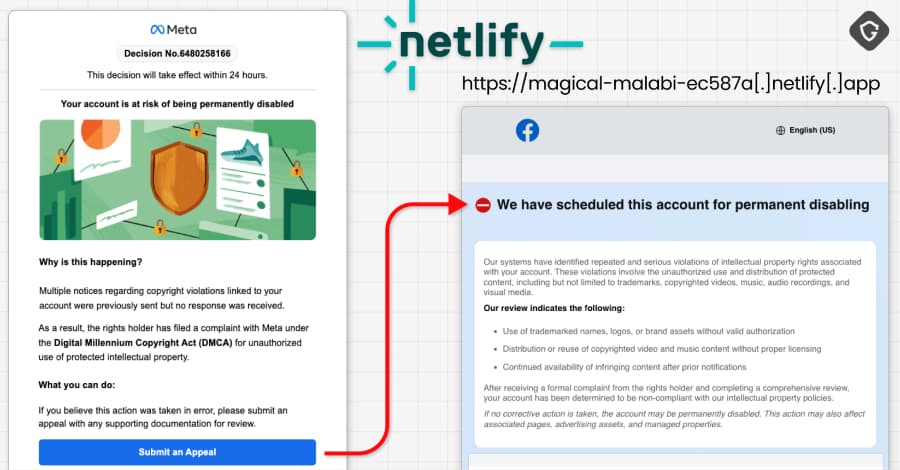
A recent cyber operation linked to Vietnam has been detected, involving around 30,000 hacked Facebook accounts. The hackers utilized Google AppSheet as a tool for phishing, sending fraudulent emails to trick users into giving away their account details. This operation, known as AccountDumpling, has been reported by cybersecurity firm Guardio. The stolen accounts are being sold through an illegal online marketplace run by the cybercriminals. Users are advised to remain vigilant and take necessary precautions to protect their accounts from phishing attacks.

via The Hacker NewsRead source
New Bluekit Phishing Toolkit Features AI and Over 40 Templates
Phishing

New Bluekit Phishing Toolkit Features AI and Over 40 Templates

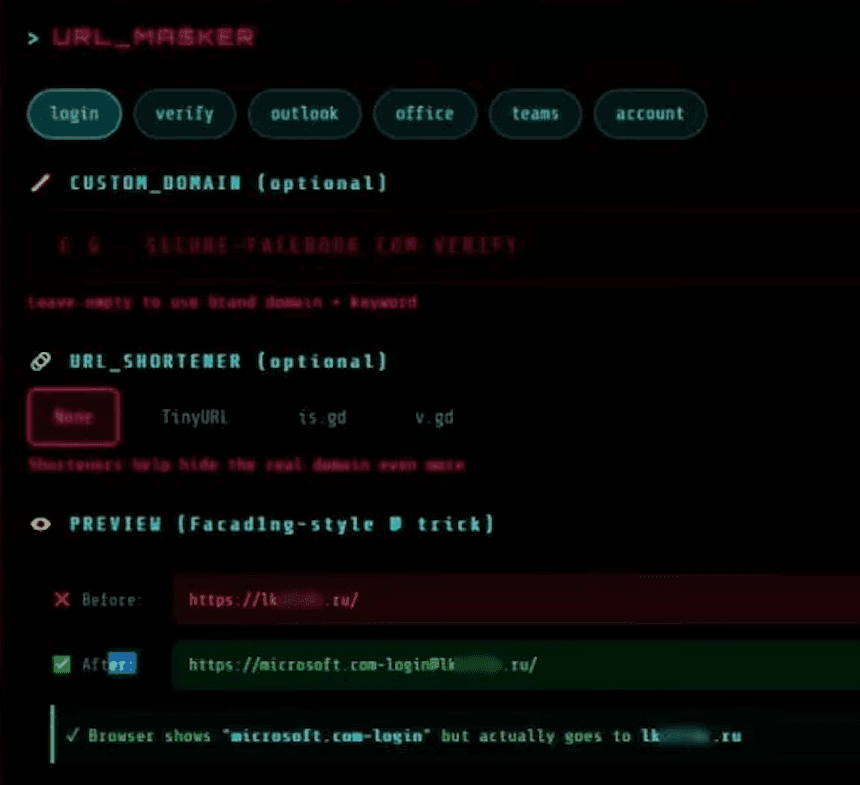
A new phishing toolkit called Bluekit has been launched, featuring more than 40 templates designed to target widely used online services. This toolkit incorporates basic artificial intelligence capabilities that can help users generate drafts for their phishing campaigns, making it easier to deploy fraudulent activities. Phishing attacks, where cybercriminals attempt to deceive individuals into providing sensitive information, continue to pose significant risks to internet users. Awareness and preventive measures are critical to safeguard personal and financial data against such threats. Users are encouraged to remain vigilant and regularly update their security practices. Source: [publication name].

via BleepingComputerRead source
Chinese Phishing Scheme Targets NASA Employees for Defense Data
Phishing

Chinese Phishing Scheme Targets NASA Employees for Defense Data

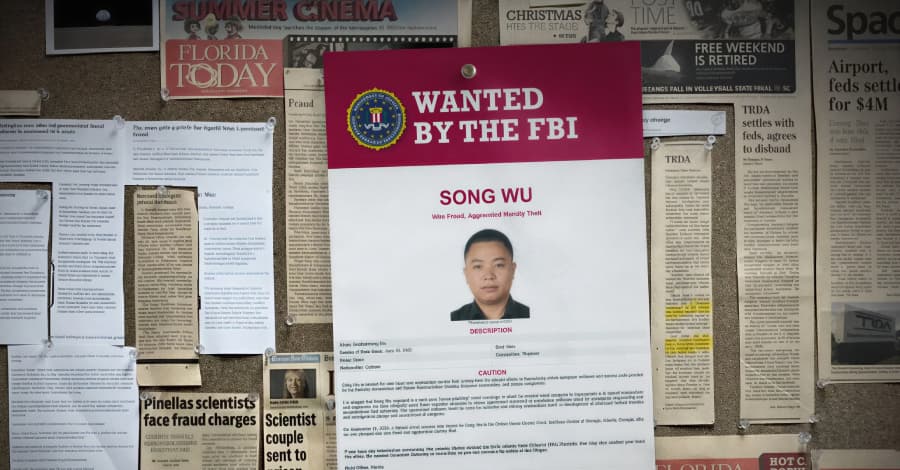
NASA's Office of Inspector General reported on a phishing scheme where a Chinese national impersonated a U.S. researcher to steal sensitive information from NASA and various other entities, including the government, educational institutions, and private companies. This operation aimed to gather critical data unlawfully in violation of export control laws. The incident highlights the ongoing risks of cyber-attacks on organizations involved in national defense and space exploration, emphasizing the need for heightened cybersecurity measures and awareness among employees. Such campaigns can severely impact national security and industry integrity. Source: [publication name].

via The Hacker NewsRead source
Rise in AI-Driven Phishing Attacks Targeting Businesses
Phishing

Rise in AI-Driven Phishing Attacks Targeting Businesses

Over the past six months, there has been a notable increase in AI-enabled phishing attacks targeting businesses. Cybercriminals are evolving their tactics, moving from broad campaigns to highly personalized one-on-one attacks. This shift makes it more challenging for companies to detect and prevent these threats, as attackers utilize artificial intelligence to tailor messages and strategies that are more convincing to potential victims. Organizations are advised to enhance their cybersecurity measures and educate employees about recognizing such sophisticated phishing attempts. Awareness and vigilance are crucial in mitigating the risks associated with these advanced cyber threats. Source: [publication name].

via Dark ReadingRead source
India Establishes AI Centre to Enhance Defence Capabilities
Phishing

India Establishes AI Centre to Enhance Defence Capabilities

India is set to strengthen its defence system with the establishment of a new Centre of Excellence for Artificial Intelligence, funded with Rs 300 crore. Collaborative discussions are underway between local AI labs, including Sarvam, and the defence ministry to develop AI technologies specifically suited to the country's operational requirements. This initiative aims to decrease India's dependence on foreign technology while promoting self-reliance in national security. The focus on homegrown solutions is expected to contribute positively to the nation's defense industry and innovation.

via Economic Times TechRead source
British Cybercriminal Pleads Guilty to Fraud and Identity Theft
Phishing

British Cybercriminal Pleads Guilty to Fraud and Identity Theft

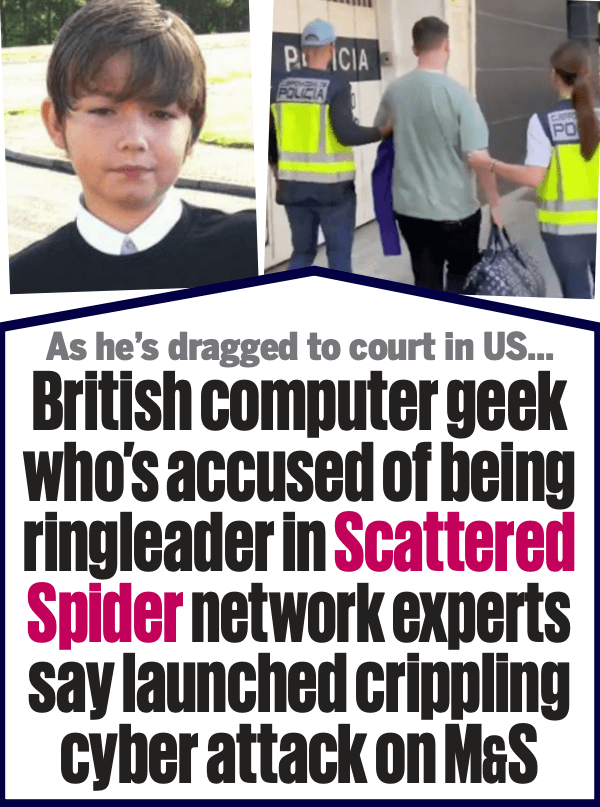
A 24-year-old British man, Tyler Robert Buchanan, has admitted guilt in a court for his involvement with the cybercrime group 'Scattered Spider.' Charged with wire fraud conspiracy and aggravated identity theft, he acknowledged participating in text-message phishing attacks during the summer of 2022. These attacks enabled the group to infiltrate at least twelve prominent technology companies, resulting in the theft of tens of millions of dollars in cryptocurrency from investors. This case highlights ongoing issues with cybercrime and the tactics used to exploit individuals and organizations. Source: [publication name].

via Krebs on SecurityRead source
Phishing Scams Exploit Apple Account Change Notifications
Phishing

Phishing Scams Exploit Apple Account Change Notifications

A new phishing scam is leveraging Apple account change notifications to trick users into believing they are receiving legitimate communications from Apple. Scammers are sending fake emails that mimic genuine notifications but promote fraudulent iPhone purchase schemes. These emails are sent from Apple's servers, enhancing their credibility and making it difficult for spam filters to detect them. Users are advised to verify the authenticity of such emails before taking any action and to avoid clicking on suspicious links or providing personal information. Staying vigilant can help prevent falling victim to these scams. Source: [publication name].

via BleepingComputerRead source
Phishers Shift Tactics to Device Code Scams
Phishing

Phishers Shift Tactics to Device Code Scams

Cybercriminals are increasingly using device code phishing to deceive victims into providing access to their online accounts. This method leverages a legitimate login process that occurs when a service prompts users to verify new device access. By making the scenario appear authentic, attackers manipulate users into sharing sensitive information, leading to unauthorized access. As this tactic gains popularity among phishers, it underscores the importance for individuals to stay vigilant and cautious about sharing verification codes and personal data. It is crucial for users to verify any login prompts directly through the service's official channels. Source: [publication name].

via Dark ReadingRead source
New Phishing Service Bypasses Security with Real Login Pages
Phishing

New Phishing Service Bypasses Security with Real Login Pages

A new phishing service named 'Starkiller' allows fraudsters to trick victims by using real login pages for popular websites. This service works by connecting users to the actual site while capturing their login credentials and multi-factor authentication (MFA) codes. As a result, victims unwittingly provide their sensitive information, which is then relayed to the real website. Traditional phishing sites are often short-lived as security measures quickly remove them, but Starkiller’s approach makes it harder for authorities to shut down these operations. Users should remain cautious and ensure they are on legitimate websites before entering any personal information. Source: [publication name].

via Krebs on SecurityRead source